

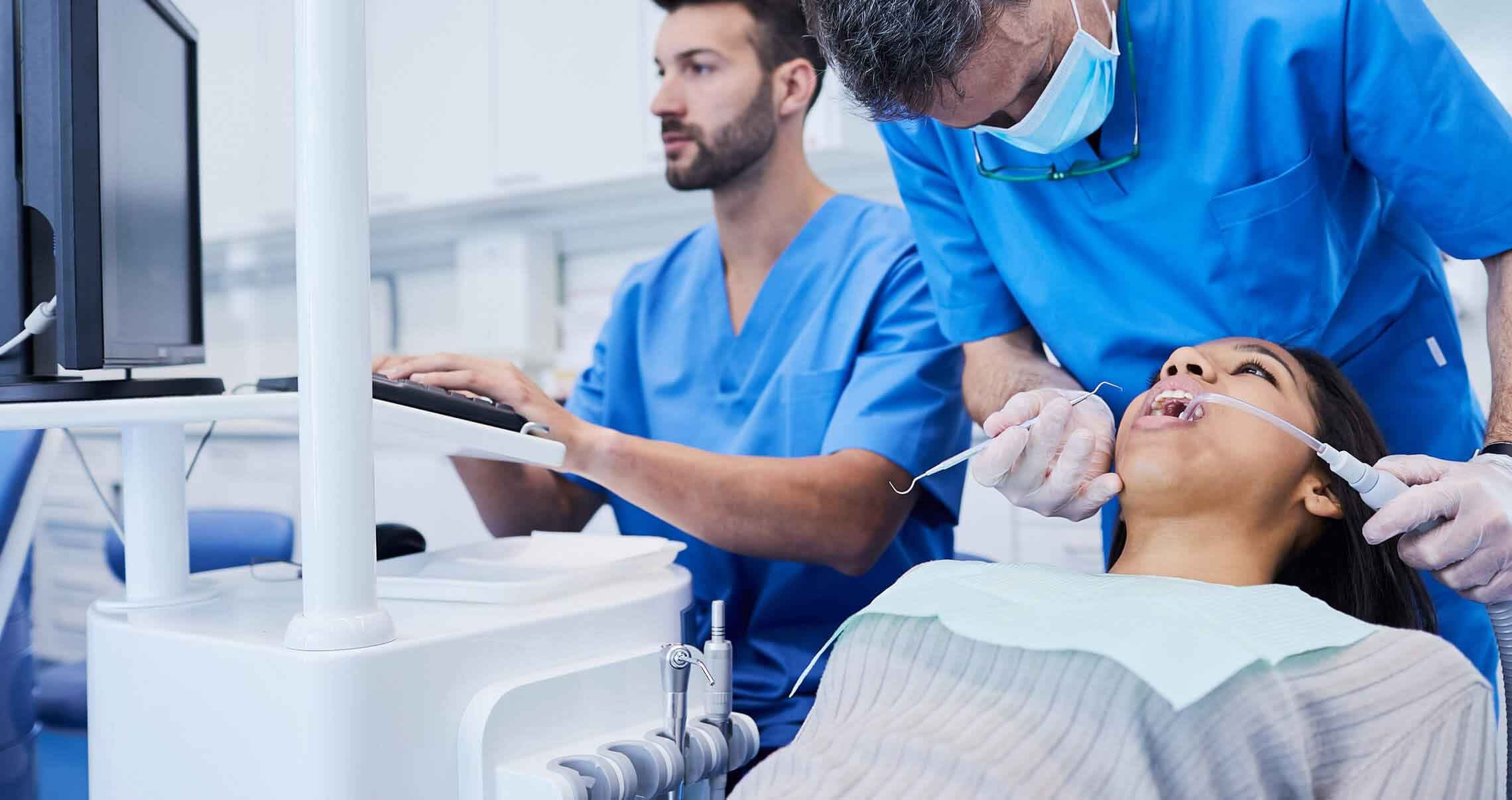
The Dawn of Preventative Dentistry
The landscape of dental care has undergone a remarkable transformation over the past decade, with saliva testing emerging as one of the most promising diagnostic tools available to modern practitioners. Gone are the days when dental professionals relied solely on visual examinations and patient-reported symptoms to identify oral health concerns. Today’s advanced saliva testing methods offer unprecedented insights into the microbial ecosystem of the mouth, enabling practitioners to detect potential problems long before they manifest as painful or costly conditions.
Saliva, often overlooked as merely a lubricant for chewing and swallowing, contains a wealth of biological information. This complex fluid harbours proteins, enzymes, antibodies, and genetic material that can reveal the presence of harmful bacteria, inflammatory markers, and even early indicators of systemic disease. By analysing these components, dental professionals can now identify individuals at heightened risk for conditions such as periodontal disease, dental caries, and oral cancer with remarkable accuracy.
Understanding the Science Behind Saliva Diagnostics
The technology underpinning saliva testing represents a convergence of molecular biology, biochemistry, and clinical dentistry. When patients provide a saliva sample—typically a simple, non-invasive process requiring only a few minutes—laboratories can analyse the specimen for specific bacterial strains known to contribute to oral disease. Research has demonstrated that saliva-based diagnostics offer reliable biomarkers for various oral conditions, providing clinicians with actionable data to inform treatment decisions.
Modern saliva tests can identify pathogenic bacteria such as Porphyromonas gingivalis, Treponema denticola, and Aggregatibacter actinomycetemcomitans—microorganisms strongly associated with aggressive forms of gum disease. Additionally, these tests can measure pH levels, buffering capacity, and the presence of specific enzymes that indicate active disease processes. This comprehensive analysis allows a dentist Richmond practitioners and their colleagues nationwide to tailor prevention strategies to each patient’s unique oral microbiome.
Clinical Applications in Contemporary Practice
Risk Assessment and Personalised Care
One of the most significant advantages of saliva testing lies in its ability to stratify patients according to risk profiles. Rather than applying a one-size-fits-all approach to preventative care, dental professionals can now customise treatment plans based on objective data.
Patients identified as high-risk through saliva analysis may benefit from more frequent recall appointments, targeted antimicrobial therapies, or specific oral hygiene protocols designed to address their particular bacterial challenges. Conversely, those with favourable saliva profiles might require less intensive intervention, optimising both clinical outcomes and healthcare resources.
Early Intervention and Long-Term Outcomes
The true power of saliva testing becomes evident when considering its role in early intervention. Traditional dental examinations typically identify problems once structural damage has occurred—cavities have formed, gums have receded, or bone loss has begun. Saliva diagnostics, by contrast, can detect the biological precursors to these conditions, sometimes months or even years before clinical symptoms appear. This temporal advantage allows dental professionals to implement preventative measures that may halt disease progression entirely, preserving natural tooth structure and supporting tissues.
For patients concerned about periodontal health, understanding oral microbiome testing provides valuable context about how these assessments contribute to comprehensive care strategies. The ability to monitor bacterial populations over time also enables practitioners to evaluate the effectiveness of treatment interventions and adjust protocols accordingly.
Practical Considerations for Implementation
Despite its considerable advantages, saliva testing does present certain practical considerations. The cost of laboratory analysis, whilst decreasing as technology advances, remains a factor for both practices and patients. Additionally, interpreting results requires clinical expertise and an understanding of how microbiological data correlates with disease risk. Practitioners must also educate patients about the limitations of these tests—a positive result for pathogenic bacteria does not guarantee disease development, just as a negative result does not confer absolute immunity from future problems.
Various comparisons of salivary diagnostic methods have highlighted the importance of selecting appropriate tests for specific clinical scenarios. The integration of saliva testing into routine dental practice represents a significant step towards truly preventative care models, where maintaining health takes precedence over treating disease.
The Future of Diagnostic Dentistry
Saliva testing has fundamentally altered the paradigm of dental diagnostics, shifting focus from reactive treatment to proactive prevention. As technology continues to evolve and costs decline, these powerful tools will likely become standard components of comprehensive dental examinations, benefiting patients and practitioners alike through improved outcomes and more efficient resource allocation.